Iron-On, Sew-On or Velcro Patches: Which Backing Is Best?
Kashidha Designs
September 12, 2026
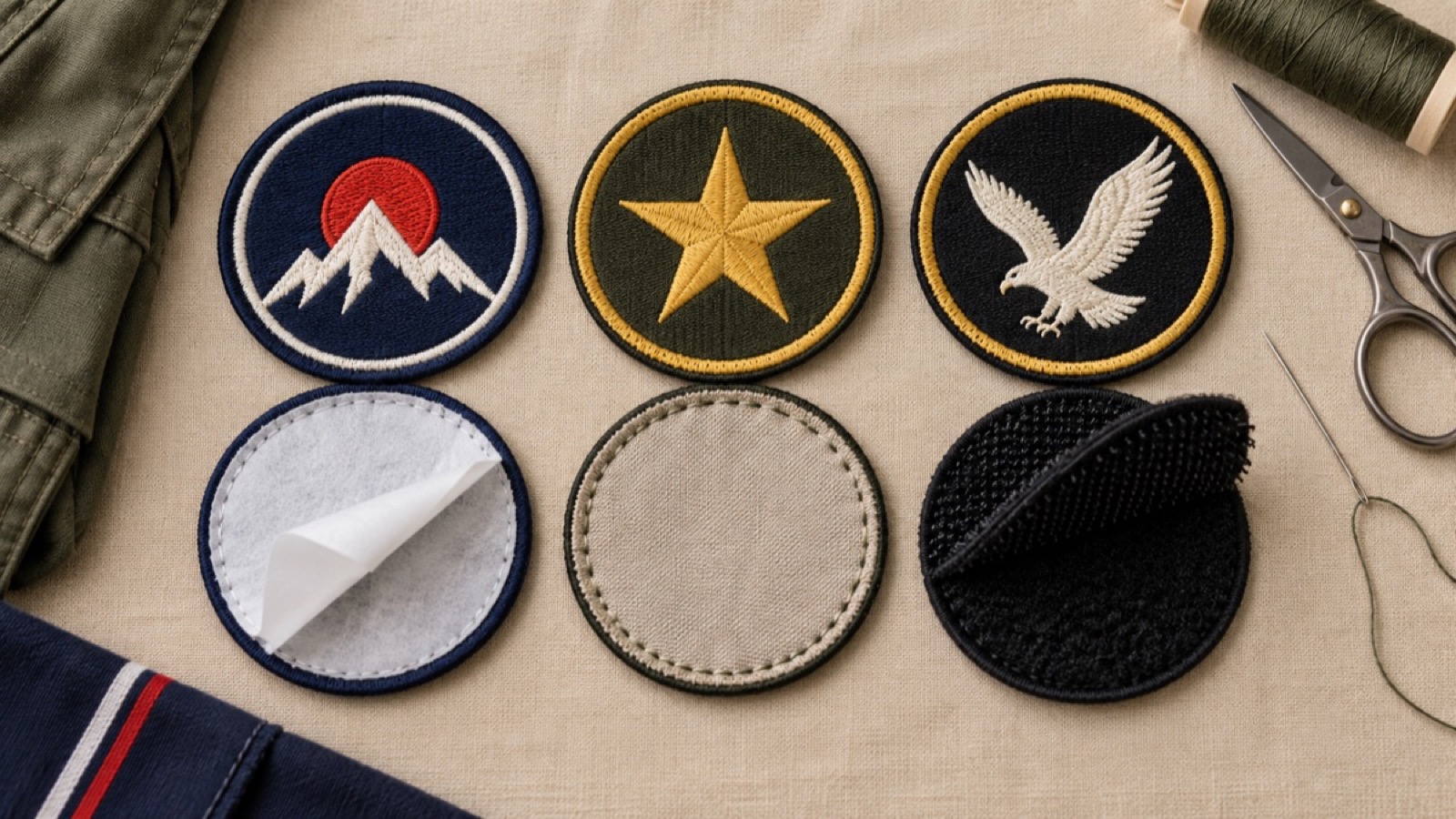
The backing of a custom embroidered patch decides how easy it is to apply, how long it stays secure, and where the patch can be used. Many buyers focus only on the front artwork, but the backing is just as important for uniforms, jackets, caps, bags, biker vests, and event merchandise.
This guide explains the difference between iron-on, sew-on, and velcro patches so you can choose the right option before sending your enquiry. If you already know your patch size and use case, you can also start from our custom embroidered patches enquiry page.
What is patch backing?
Patch backing is the finish on the reverse side of an embroidered badge. It controls how the patch attaches to fabric. Some backings are made for quick application, while others are made for heavy use, washing, or removable identity badges.
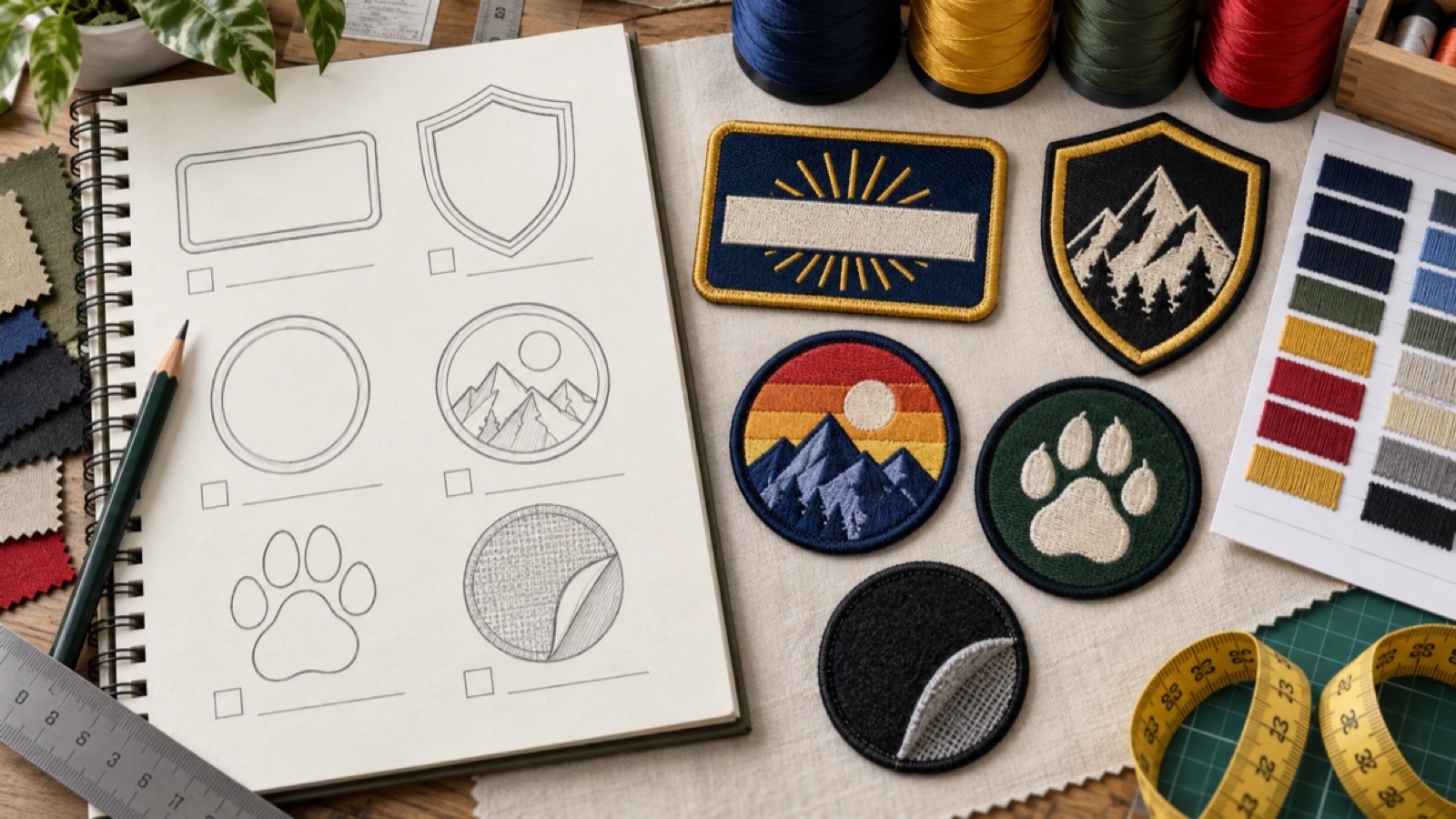
Iron-on patches
Iron-on patches use heat-activated adhesive on the back. They are popular for casual jackets, denim, bags, hoodies, and merchandise because application is simple when the base fabric supports heat.
- Best for: casual apparel, bags, denim jackets, giveaways, and quick branding.
- Not ideal for: heat-sensitive fabric, very rough use, or garments that will be washed heavily.
- Buyer tip: even with iron-on backing, sewing the edges can improve long-term durability.
Sew-on patches
Sew-on patches are the most dependable choice when the patch must stay fixed through daily use. The patch is stitched onto the garment around the border. For schools, uniforms, staff workwear, security teams, clubs, and jackets, sew-on backing is usually the safest recommendation.
- Best for: school badges, work uniforms, jackets, biker patches, factory uniforms, hotel uniforms, and long-term use.
- Not ideal for: customers who need very fast self-application without stitching.
- Buyer tip: choose a clean merrowed or satin border so stitching looks neat after application.
Velcro patches
Velcro or hook-and-loop backing is useful when a patch needs to be removable or interchangeable. It is common for tactical gear, morale patches, caps, club roles, event teams, and uniforms where names or roles change.
- Best for: removable badges, caps, tactical patches, event teams, clubs, and role-based uniforms.
- Not ideal for: very thin fabrics or places where the patch should look permanently integrated.
- Buyer tip: confirm whether you need only the hook side or both hook and loop pieces.
Which backing should you choose?
| Use case | Recommended backing | Reason |
|---|---|---|
| School uniform badge | Sew-on | Strongest for repeated washing and daily wear. |
| Biker jacket patch | Sew-on | Best for heavy jackets and long-term durability. |
| Cap or tactical badge | Velcro | Easy to remove, swap, or reposition. |
| Event merchandise | Iron-on or sew-on | Depends on fabric and expected use. |
| Brand logo patch | Sew-on or iron-on | Sew-on for uniforms, iron-on for casual merch. |
What to send for a backing quote
For a fast WhatsApp quote, share your artwork, patch size, quantity, garment type, and backing preference. If you are not sure, send the fabric or product photo and we can suggest the safest option.
For patch ordering details, see our custom patch landing page and the patches and badges collection.
FAQ
Is iron-on backing permanent?
Iron-on backing can hold well on suitable fabrics, but sew-on is more durable for uniforms and heavy washing.
Can velcro patches be embroidered?
Yes. The embroidered patch is made first, then hook-and-loop backing is added depending on the use case.
What is best for school badges?
Sew-on backing is usually best because school badges need to handle daily wear and washing.
Written by
Kashidha Designs
Related Articles